
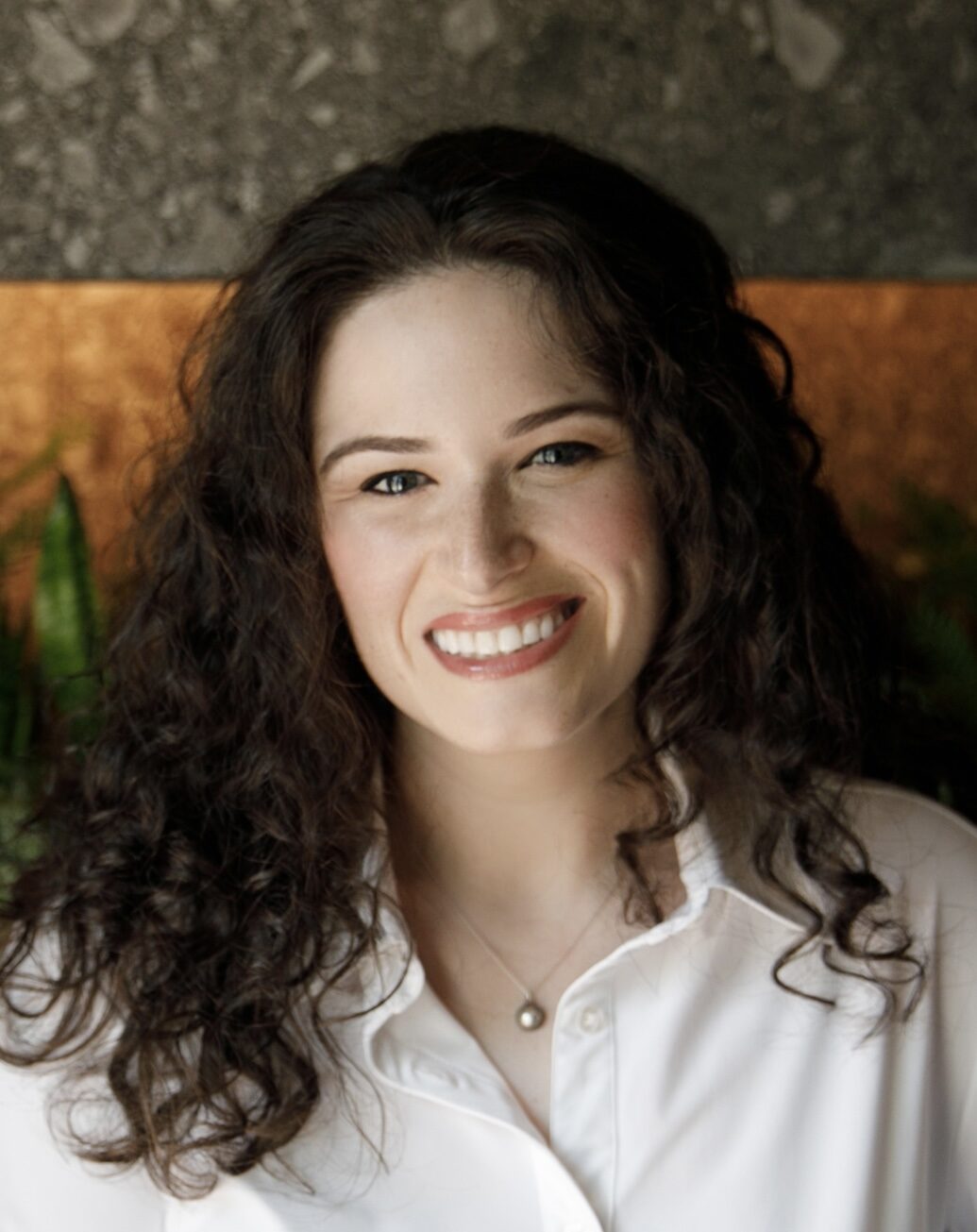
I am a licensed clinical psychologist in New York working with adults and couples who are often functioning well in their lives, yet find themselves at a point where familiar strategies aren’t working. For many people, this happens during moments of transition – to a new job, getting married, becoming parents, and more.
Clinical Background
I obtained my Bachelor of Arts degree at Barnard College, Columbia University, from which I graduated summa cum laude, Phi Beta Kappa. I earned my doctorate in clinical psychology from the Ferkauf Graduate School of Psychology, Yeshiva University. During graduate school, I trained in acute inpatient psychiatric units in New York City and at the Early Childhood Center at the Albert Einstein College of Medicine. I completed my pre-doctoral internship at the Bronx Psychiatric Center and my postdoctoral fellowship at the William Alanson White Institute. I have additional postgraduate training in cognitive behavioral therapy (CBT), as well as training in Emotionally Focused Couples Therapy, and through the Gottman Institute.
During graduate school, I assisted in conducting research on sexual minority stress and assisted in creating empirically supported treatments for people in the LGBTQ community. My dissertation focused on the development of depression and bipolar disorder in first-year college students.
In addition to my private practice, I served as senior psychologist, and later assistant director, at the Jewish Theological Seminary Student Counseling Center. There, I provided individual and couples therapy to undergraduates co-enrolled at Columbia University and to graduate students, including those studying to become rabbis and cantors. I was also involved in selecting, training, and supervising clinical psychology doctoral students and master’s level mental health counseling students.
I previously held an adjunct academic appointment at the City University of New York, and supervisory clinical appointments at the Ferkauf Graduate School of Psychology and Teachers College, Columbia University.
I have been quoted in media outlets including The New York Times, The Wall Street Journal, Bustle, (Bustle again), HuffPost, and PureWow.
What Matters Just As Much
Across settings and populations, I have been most drawn to understanding how people experience themselves in connection with others, and how patterns between people shape distress as much as individual symptoms. This orientation has led me to focus more deeply on couples work, which I find especially meaningful and generative. My earlier training and clinical roles continue to inform this work, offering a strong foundation – both clinical and interpersonal – for helping couples understand themselves, each other, and the relational dynamics they are creating together.
In my work with couples, I can often help each partner understand what’s really bothering the other more deeply, help someone rephrase something they’ve struggled to get across on their own, and create space for couples to move toward new ways of connecting and understanding one another.